


Change orders are one of the fastest ways for a project to exceed its budget and schedule. Whether you're developing a quick-service restaurant, executing a multi-unit retail rollout, or expanding a healthcare facility, every change order introduces additional costs, coordination challenges, and potential delays.
While the causes vary by sector, the outcome is remarkably consistent: increased costs, schedule disruptions, and operational impacts that extend far beyond the original scope of work. Projects that identify and manage change early consistently outperform those that react to it later
Restaurant Construction: When Every Day Delayed Is Revenue Lost
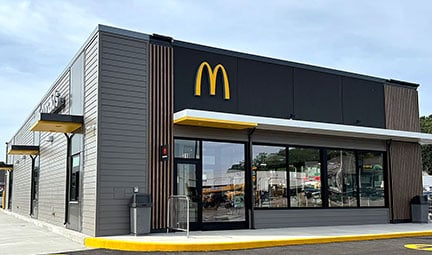
Restaurant projects are among the most technically complex forms of commercial construction on a per-square-foot basis. Commercial kitchens require extensive coordination between ventilation systems, fire suppression, plumbing infrastructure, refrigeration systems, utility services, health department requirements, franchise standards, and accessibility regulations. Without a clearly defined scope and coordinated design, change orders can quickly become unavoidable.
Common Drivers of Restaurant Change Orders
- Equipment decisions made late in design, forcing revisions to electrical, plumbing, and gas systems.
- Evolving health department requirements identified during plan review or inspections.
- Site-specific drive-through challenges that require field modifications.
- Last-minute finish and branding upgrades that disrupt procurement and trade sequencing.
- Hidden site and building conditions discovered after construction begins.
Why Timing Matters
For restaurant operators, opening day is more than a construction milestone. Delays can mean lost revenue, ongoing lease obligations, marketing commitments already in motion, and labor costs incurred before the first customer walks through the door
Strategies That Reduce Risk
- Finalize equipment selections before design development begins.
- Engage health department officials early in the design process.
- Leverage experienced restaurant construction leadership.
Retail Construction: Protecting the Grand Opening Date
Retail construction operates in a fast-paced environment where speed, consistency, and scalability are critical. A change order that appears manageable on one store can become a major issue when repeated across dozens of locations during a rollout program. Brand standards, technology integrations, security systems, lighting controls, and sophisticated MEP infrastructure all create opportunities for scope gaps if coordination is incomplete.
Common Drivers of Retail Change Orders
-
Prototype designs that do not align with site-specific conditions.
-
Mechanical, electrical, and plumbing systems requiring location-specific redesign.
-
Permit review and code compliance revisions that create additional review cycles.
The Cost of Delaying an Opening
An opening date represents far more than project completion. Marketing campaigns, franchise agreements, lease obligations, and stakeholder expectations are all tied to that date. Even a short delay can trigger contractual penalties, disrupt rollout sequencing, and strain key business relationships. In many cases, the financial impact of a delayed opening exceeds the cost of the change orders that caused it.
Strategies That Improve Outcomes
- Lock brand standards before design development progresses.
- Conduct constructability reviews on every prototype location.
- Engage permitting authorities early to address code concerns before documents are finalized.
Healthcare Construction: When Delays Affect Patient Care
Few construction sectors operate under the same level of complexity as healthcare. Specialized building systems, evolving clinical requirements, strict regulatory oversight, and active facility operations create a uniquely challenging environment. Occupied renovations are particularly vulnerable to change orders due to operational constraints, overlapping regulations, and unforeseen existing conditions.
Common Drivers of Healthcare Change Orders
- Clinical requirements that continue to evolve throughout design.
- Infection control protocols that change in response to operational needs.
- Complex regulatory requirements that are interpreted differently by governing agencies.
- Concealed infrastructure and building conditions discovered during demolition.
- Imaging and shielding requirements that evolve after specialized analyses are completed.
The Impact Goes Beyond Construction
Unlike other commercial projects, healthcare delays can directly affect care delivery. Delays in opening clinical spaces can reduce patient access, disrupt workflows, delay procedures, and impact organizational performance. Additional reviews, inspections, or compliance requirements triggered by project changes can further extend schedules and affect adjacent operations.
Strategies That Improve Predictability
- Engage clinical stakeholders early in design validation.
- Conduct comprehensive existing conditions investigations before finalizing budgets.
- Resolve building system coordination issues during design and pre-construction.
Different Industries, Similar Risks
Although restaurant, retail, and healthcare projects face different operational challenges, they share a common reality: projects that move forward with unresolved scope, inadequate planning, or delayed decision-making are significantly more likely to experience costly change orders. The triggers may vary, but the consequences are universal: cost growth, schedule delays, and increased project risk.
The Value of Investing in Pre-Construction
Across all three sectors, the most costly change orders often stem from the same underlying issues: incomplete construction documents, insufficient coordination among design disciplines, and decisions made too late in the development process. The most effective way to reduce these risks is through greater investment in pre-construction planning. Constructability reviews, existing conditions investigations, stakeholder alignment, and interdisciplinary design coordination allow teams to identify problems while they are still inexpensive to solve.
The Hidden Cost of Change Orders
The true cost of a change order is rarely limited to the amount shown on the proposal. Labor increases, material escalation, contractor markups, schedule impacts, trade recoordination, and productivity losses all compound the effect. In many cases, the real cost can be two to three times the face value of the change itself.
The Goal Isn't Zero Change Orders
The most successful projects understand that some level of change is inevitable. Design evolution, unforeseen conditions, and legitimate owner-driven enhancements will always occur. The objective is not to eliminate every change order. The objective is to maintain visibility, anticipate challenges, evaluate impacts early, and make informed decisions before small issues become major disruptions.
Conclusion: Turning Change Orders Into Managed Outcomes
Whether you're opening a new restaurant, executing a multi-unit retail rollout, or developing a healthcare facility, change orders do not have to dictate the success of your project. The projects that consistently perform best share a common approach: they invest in pre-construction planning, engage stakeholders early, make critical decisions before design documents are finalized, and maintain disciplined project controls throughout execution.
These projects don't eliminate change orders entirely. They transform them from unexpected surprises into manageable business decisions.
The cost of planning ahead is predictable. The cost of solving problems in the field rarely is.
Ready to Reduce Change Order Risk on Your Next Project?
Successful projects begin long before construction starts. The right pre-construction strategy, combined with experienced project leadership and disciplined coordination, can significantly improve cost certainty, protect schedules, and increase the likelihood of project success.
From concept through occupancy, proactive planning remains the most effective tool for managing change.